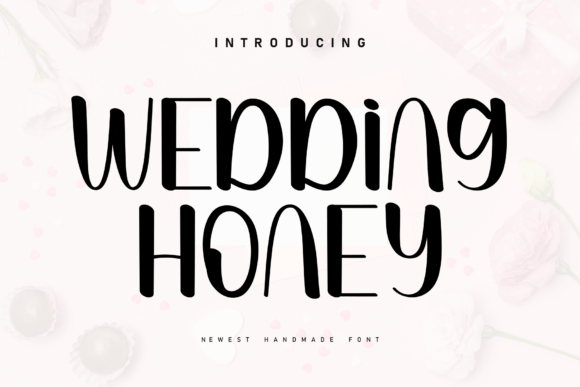
Wedding Honey Font Review
It was a crisp morning, and I found myself staring at a blank brand board, trying to figure out how to bring a warm, inviting feel to a new boutique identity project. The client wanted something that felt personal, almost like a handwritten note from a friend. That’s when I reached for Wedding Honey—a font that promises to add a cozy accent to any design project. As someone who’s spent years working on brand identities, I’ve seen my fair share of fonts, but this one stood out.
Wedding Honey for Logo Design and Brand Identity
Wedding Honey is a sweet and beautiful handwritten font that brings a unique personality to logo design. When I first tested it on a logo concept, the characters danced along the baseline in a way that felt both playful and refined. It wasn’t just about the aesthetics; it added a sense of warmth that made the brand feel more approachable. For a boutique or artisanal business, this kind of visual tone can be a game-changer.
As a Display font, Wedding Honey shines in brand identity work where a strong visual presence is needed. It works best as a headline or accent font rather than a body text option. Its delicate strokes and fluid curves make it ideal for logos, headings, and short phrases that need to stand out without overwhelming the viewer.
Wedding Honey for Packaging Design and Product Labels
I had the chance to place Wedding Honey on a packaging mockup for a skincare product line. The font’s soft, flowing style complemented the minimalist aesthetic of the brand. On a label, it gave a handcrafted feel that resonated with the target audience looking for natural, organic products. The way the letters interacted with each other created a sense of harmony that elevated the entire design.
For product labels, Wedding Honey adds a touch of elegance without being too formal. It pairs well with clean, modern designs, especially when used sparingly. However, I noticed that in smaller sizes, some details got lost, so it’s best to use it in larger formats where its character can truly shine.
Wedding Honey for Social Media Graphics and Web Headers
When I tried Wedding Honey on a social media layout, it brought a refreshing energy to the visuals. On an Instagram post, it worked well as a header or caption text, adding a personal, handwritten vibe that felt authentic. In web design, it made a strong impression on a homepage hero section, drawing attention without clashing with the overall layout.
One thing to keep in mind is that Wedding Honey isn’t the best choice for long paragraphs or dense text blocks. Its decorative nature makes it more suited for headlines, callouts, and short messages. When used in web headers, it can help create a memorable visual identity that aligns with the brand’s tone.
Wedding Honey for Business Cards and Print Assets
A quick test on a business card showed how Wedding Honey could elevate a simple piece of print. The font’s softness and movement gave the card a friendly, inviting look that stood out from the usual sans serif or serif options. It worked particularly well when paired with a subtle background or border, allowing the typography to take center stage.
For print assets like flyers, posters, and editorial design, Wedding Honey adds a layer of sophistication. It’s perfect for projects that aim to feel more personal, such as event invitations, handmade shop branding, or local restaurant menus. Just be mindful of the size and spacing—too much text in this font can become hard to read.
Wedding Honey for Font Pairing and Typographic Harmony
Pairing Wedding Honey with other fonts requires a thoughtful approach. It works well with a clean, neutral sans serif or a classic serif font, creating a balance between the decorative and the structured. For example, using it alongside a modern sans serif like Montserrat or a traditional serif like Georgia can give the design a polished yet approachable feel.
When working with a script font or another handwritten font, it’s important to maintain contrast. Wedding Honey has a distinct personality, so it’s best to pair it with fonts that don’t compete. A minimalist display font or a geometric typeface can provide the right amount of contrast without overwhelming the composition.
Before finalizing any design, I always recommend testing Wedding Honey across different platforms and sizes. This helps ensure that it maintains its charm and readability in various contexts. Checking the font’s alternate characters, ligatures, and swashes can also add depth to the typographic experience, especially in more intricate designs.
Wedding Honey for Creative Projects and Handmade Branding
Wedding Honey feels like a font that was made for creative studios, handmade shops, and boutique brands. Its warm, inviting tone makes it ideal for projects that aim to connect with customers on a personal level. Whether it’s a bakery packaging design, a café visual refresh, or a handmade jewelry label, this font adds a human touch that can’t be replicated by more rigid typefaces.
For small business owners and entrepreneurs, Wedding Honey offers a way to express their brand’s personality without sacrificing professionalism. It’s a great choice for those who want to communicate authenticity and creativity through their visual identity. Just remember to consider the context and ensure that the font supports the message you’re trying to convey.