Sea Shell Font Review
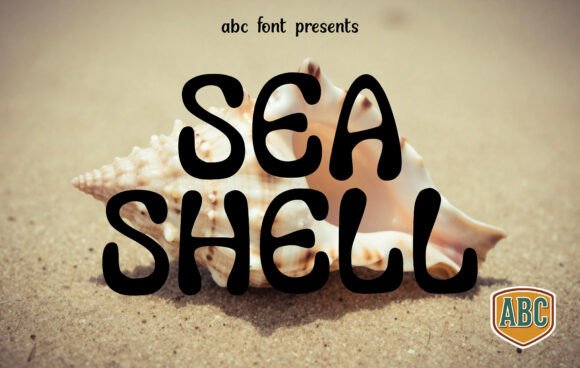
Choosing the right font for a project can feel like finding the perfect piece of jewelry to match an outfit—subtle, but essential. When I was redesigning the header for a lifestyle blog focused on wellness and self-care, I needed something that felt approachable, yet elegant. Sea Shell fit the bill perfectly. This display font, with its soft curves and friendly strokes, brought a sense of warmth and playfulness that aligned with the brand’s voice.
Sea Shell for Lifestyle Blogs and Wellness Branding
Sea Shell is ideal for projects that want to convey a sense of calm and joy without sacrificing visual appeal. As a display font, it shines in headlines, headers, and decorative elements where readability isn’t the top priority, but mood and personality are. For a lifestyle blog, using Sea Shell in the masthead or section titles adds a touch of whimsy that invites readers to explore further.
When paired with a clean serif or sans serif font for body text, Sea Shell becomes a powerful tool for editorial design. It helps establish a clear visual hierarchy, drawing attention to key sections while keeping the overall layout balanced and easy to navigate.
Sea Shell in Recipe Ebooks and Digital Magazines
For a recipe ebook I was designing, Sea Shell worked wonders as a title font. Its rounded edges and bubbly structure gave the content a friendly, inviting tone that matched the casual, home-cooked vibe of the recipes. The font also added a nice contrast when used in pull quotes or chapter openers, making them stand out without overwhelming the reader.
In digital magazines, Sea Shell can be used for cover text, feature headlines, or even as a decorative accent in sidebars. Its playful nature makes it a great choice for publications targeting younger audiences or those with a creative, lifestyle-oriented focus.
Sea Shell for Wedding Guides and Event Branding
Wedding guides often require a balance between elegance and personality, and Sea Shell delivers both. When I designed a printable wedding planner, I used the font for headings and section titles. Its soft, rounded shapes evoked a sense of romance and fun, which complemented the guide’s content about planning a memorable day.
The font also worked well for callout boxes and decorative elements, adding a unique flair without distracting from the main information. For event branding, Sea Shell can be used in invitations, signage, or social media graphics to create a cohesive and visually appealing look.
Sea Shell in Coaching Workbooks and Printable Planners
Coaching workbooks and printable planners often benefit from fonts that feel personal and engaging. Sea Shell fits this need by adding a human touch to structured content. In a journaling workbook, the font made the headings feel more inviting, encouraging users to take notes and reflect.
It also worked well in printable planners, where it was used for weekly themes, motivational quotes, and section labels. The font’s friendly appearance helped make the content feel less rigid and more approachable, which is important for users who rely on these tools for daily inspiration.
Sea Shell for Newsletter Headers and Social Media Graphics
Newsletters and social media graphics demand fonts that grab attention quickly. Sea Shell does just that with its bubbly, eye-catching style. I used it for a monthly newsletter header, where it stood out against a simple background and immediately conveyed the publication’s tone.
On social media, the font worked well for graphic overlays and promotional banners. Its rounded edges made it feel more accessible, which is crucial for platforms where content needs to resonate quickly with a broad audience.
Sea Shell in Editorial Layouts and Content Branding
Editorial layouts often require a strong visual identity, and Sea Shell can help define that. When used in a magazine-style article, it works best as a headline or pull quote, where its character can shine without affecting readability. For content branding, the font adds a distinctive signature that sets a publication apart from others.
However, it’s important to note that Sea Shell is not ideal for long blocks of text. Its expressive style makes it better suited for titles, headings, and decorative elements rather than body copy. When using it in editorial layouts, it’s best to pair it with a more readable typeface to maintain clarity and flow.