Foamy Font: A Bold Statement for Designers
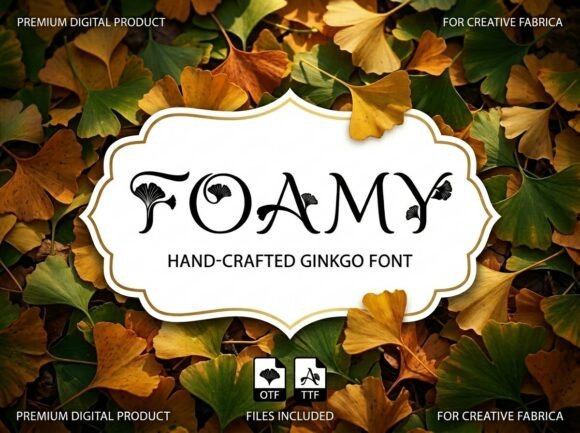
There I was, staring at a blank brand board, trying to figure out how to make a new boutique coffee shop stand out. The client wanted something that felt warm, inviting, and a little bit playful. After testing a few options, I landed on Foamy—a font that immediately caught my eye with its soft, rounded edges and whimsical flair.
Foamy for Logo Design and Brand Identity
Foamy is a display font that thrives in the spotlight. Its unique artistic elements give it a strong visual personality, making it ideal for logos where you want to make an immediate impression. When I tested it on a logo concept for the coffee shop, it added a sense of approachability and charm that other fonts lacked. The font’s organic shapes and gentle curves made it feel like it was breathing, which was exactly what the brand needed.
Using Foamy in logo design means you’re not just choosing a typeface—you’re selecting a mood. It works best when used as a headline or accent font, rather than for body text. Pairing it with a clean sans serif like Montserrat or a classic serif like Georgia can create a balanced contrast that keeps the design from feeling too busy.
Testing Foamy on Packaging Mockups
Once the logo was set, I moved on to packaging mockups. Foamy looked great on product labels, especially when paired with a simple background. The font’s decorative elements didn’t overpower the design but instead added a touch of sophistication. It worked well on both paper and digital mockups, giving the brand a cohesive look across different mediums.
One thing to note is that Foamy isn’t the best choice for small print sizes. If you’re using it on a label that’s only 12pt or smaller, the details might get lost. For larger formats—like signage or banners—it shines. It’s a font that demands space, and when given that space, it delivers a memorable visual impact.
Foamy for Web Design and Social Media Graphics
When I applied Foamy to a website header, it brought a fresh, modern energy to the page. The font’s boldness made it perfect for hero sections, where it could command attention without clashing with other design elements. On social media posts, it added a fun, creative vibe that aligned well with the brand’s personality.
However, I found that Foamy doesn’t always translate well to digital screens, especially when used in long paragraphs. It’s better suited for short phrases, headlines, or call-to-action buttons. For web use, I recommend checking if the font has proper webfont support and ensuring that it loads quickly without affecting site performance.
Realistic Use Cases for Foamy
Foamy is best suited for projects that benefit from a strong visual identity. Think handmade shops, boutique brands, or creative studios looking to make a statement. It’s not the right choice for formal corporate branding or anything that requires a high level of readability in small sizes.
If you're working on a skincare product line, for example, Foamy could be a great fit for the product names or taglines. Its artistic elements add a touch of elegance without being too flashy. But if you're designing a business card for a law firm, you might want to consider something more traditional.
Foamy for Business Cards and Print Materials
On a business card, Foamy made a bold first impression. The font’s soft curves gave it a friendly, approachable feel, while its strong presence ensured it stood out. It worked particularly well when used in combination with a solid color background, allowing the font to take center stage.
For print materials like flyers or posters, Foamy added a dynamic energy that drew the eye. It was especially effective when used in a single line of text, such as a headline or slogan. However, I noticed that in some cases, the font’s decorative elements could become distracting if overused.
Font Pairing and Stylistic Alternates
When pairing Foamy with other fonts, I leaned towards minimalist designs that let the font shine. A simple sans serif like Open Sans or a classic serif like Playfair Display created a nice balance. For a more creative look, I experimented with a script font, which added an extra layer of personality without overwhelming the design.
It’s also worth noting that Foamy includes stylistic alternates and ligatures that can enhance its appearance. These features allow for more customization and can help fine-tune the font’s look depending on the project’s needs. Checking these options before finalizing a design can make a big difference in the overall aesthetic.